

 Same Day Tyre Fitting Available
 93 Nationwide Fitting Centres
 5 Year Warranty On All Tyres
 Price Check Promise. Always Great Deals
All Tyre Tips
HOW TO CHECK YOUR TYRE SIZE
You can find your car’s tyre size written on the sidewall of your current set of tyres, in your vehicle’s handbook or on a sticker in the door jam or inside the fuel cap door. When buying new tyres you should only go for ones that have these same numbers to ensure a good fit

HOW TO CHECK YOUR TYRE SIZE
You can find your car’s tyre size written on the sidewall of your current set of tyres, in your vehicle’s handbook or on a sticker in the door jam or inside the fuel cap door. When buying new tyres you should only go for ones that have these same numbers to ensure a good fit
HOW TO CHECK YOUR TYRE SIZE
You can find your car’s tyre size written on the sidewall of your current set of tyres, in your vehicle’s handbook or on a sticker in the door jam or inside the fuel cap door. When buying new tyres you should only go for ones that have these same numbers to ensure a good fit
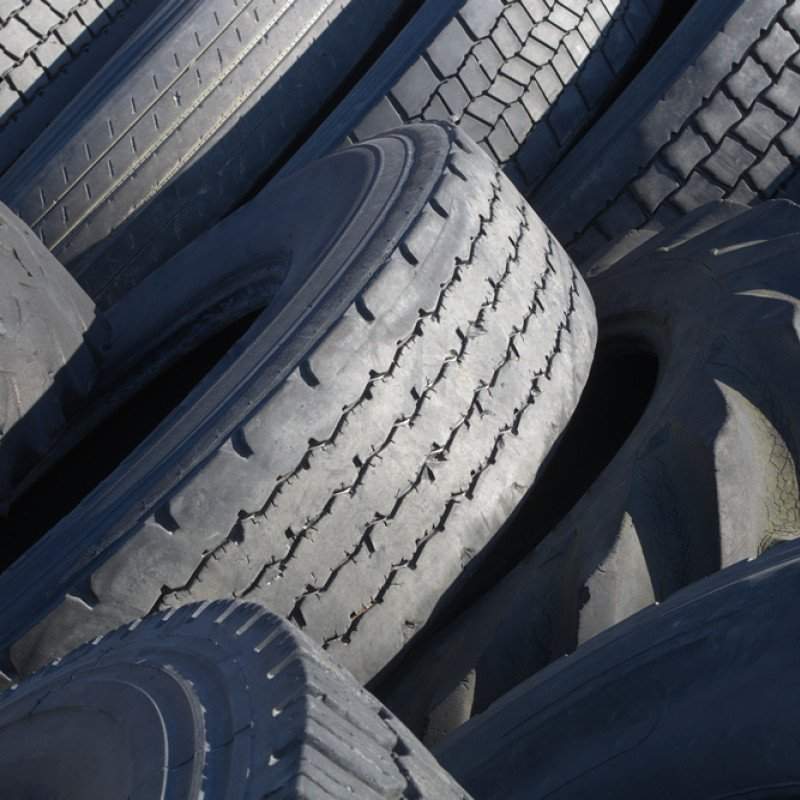
ARE PART WORN TYRES SAFE?
Posted On 16 Mar 2022
Does part-worn mean part safe? Have you ever considered buying part-worn tyres? It’s certainly considered by many as a cheap alternative to buying brand new tyres. But is that really the case? Why tyre care is important Tyres are the...
Learn More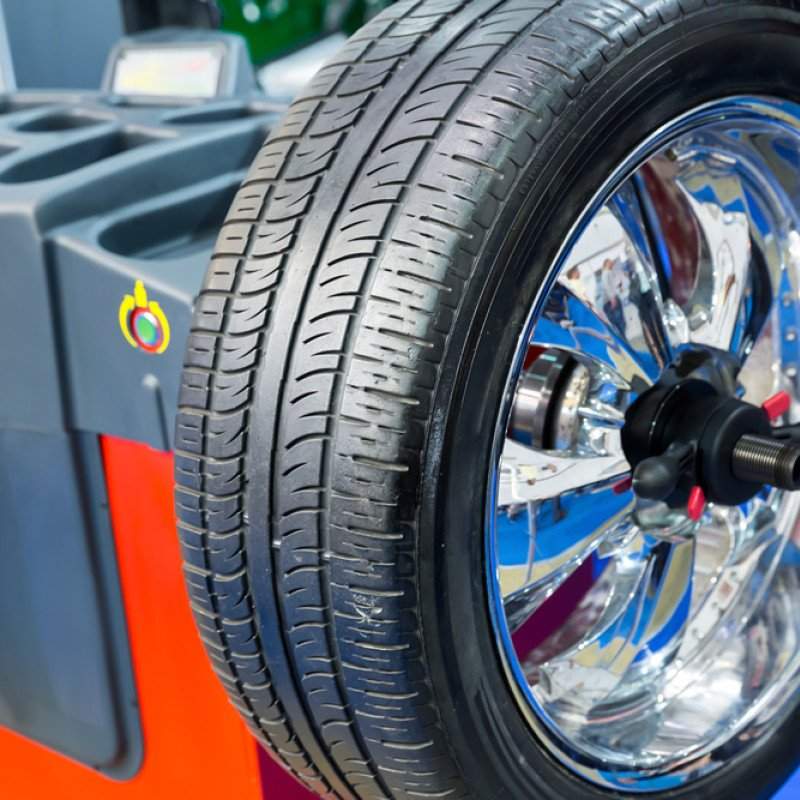
WHAT IS WHEEL BALANCING?
Posted On 16 Mar 2022
Wheel balancing is the process of making sure that weight is distributed around the wheels so they’re perfectly balanced and rotate evenly. If there are imperfections, small weights can be added to work as a counterweight. Even a minuscule imbalance...
Learn More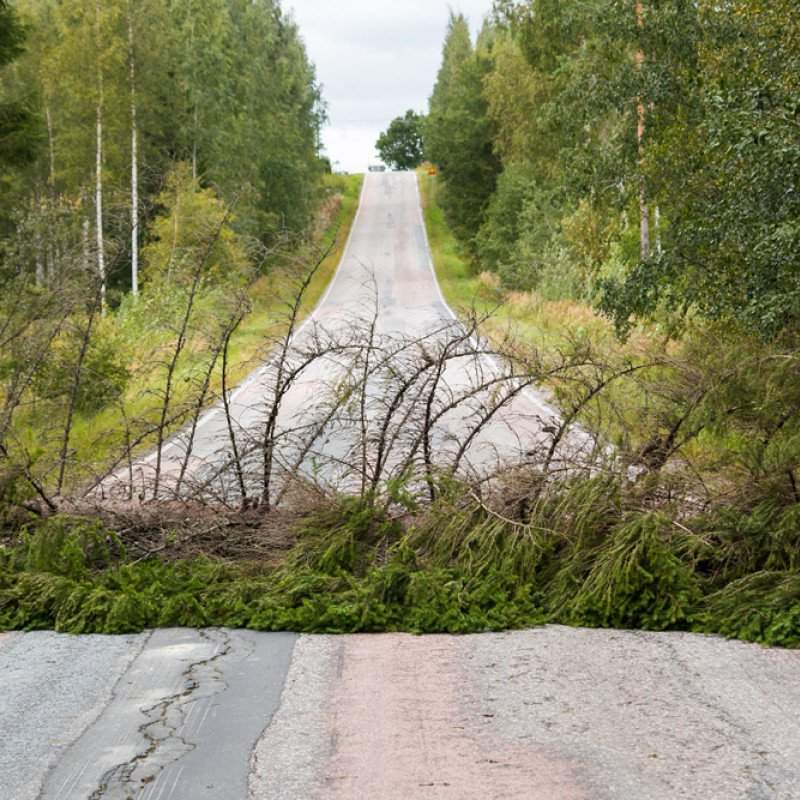
HOW TO DRIVE SAFELY IN THE WIND
Posted On 16 Mar 2022
Rain and fog aren’t the only adverse weather conditions that can make driving difficult and come with additional risks. Times of heavy wind can also bring fresh challenges, which is why it’s important to be aware of the potential dangers...
Learn More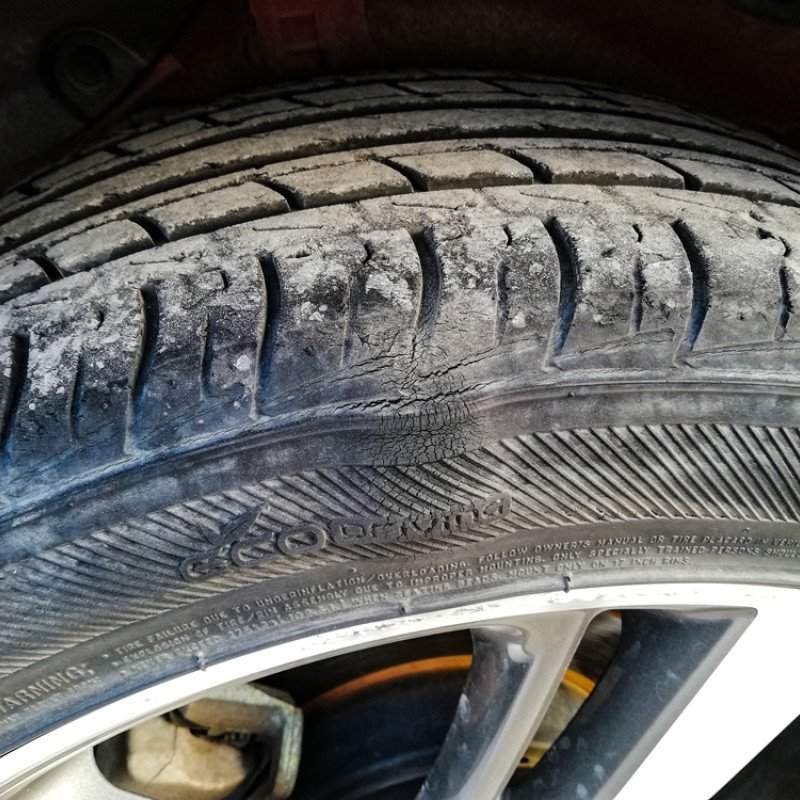
WHAT TO DO IF YOUR TYRE SIDEWALL IS CUT OR DAMAGED?
Posted On 16 Mar 2022
The sidewalls of your tyres are just as important as the treads, so you need to take care of them and check them regularly for signs of wear or damage. If left, cuts, bulges, or scuffs on your sidewall could...
Learn More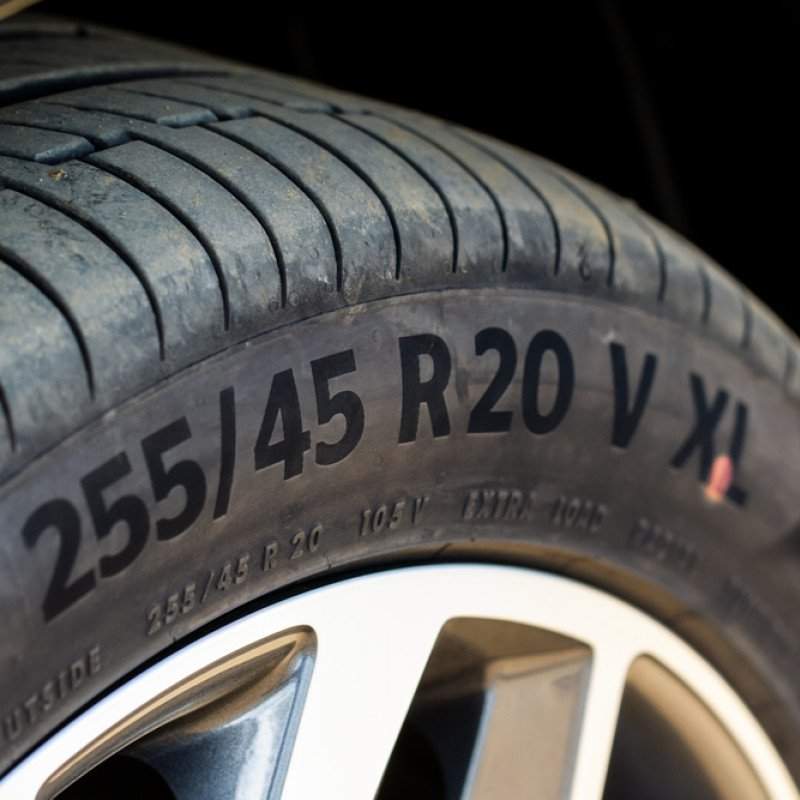
WHAT IS A REINFORCED TYRE? - A COMPLETE GUIDE
Posted On 16 Mar 2022
Reinforced tyres are strong, durable tyres that are capable of carrying heavier loads than standard tyres. Also known as XL tyres, they have a strong internal structure that can withstand heavy loads, while not compromising on grip and handling. What...
Learn More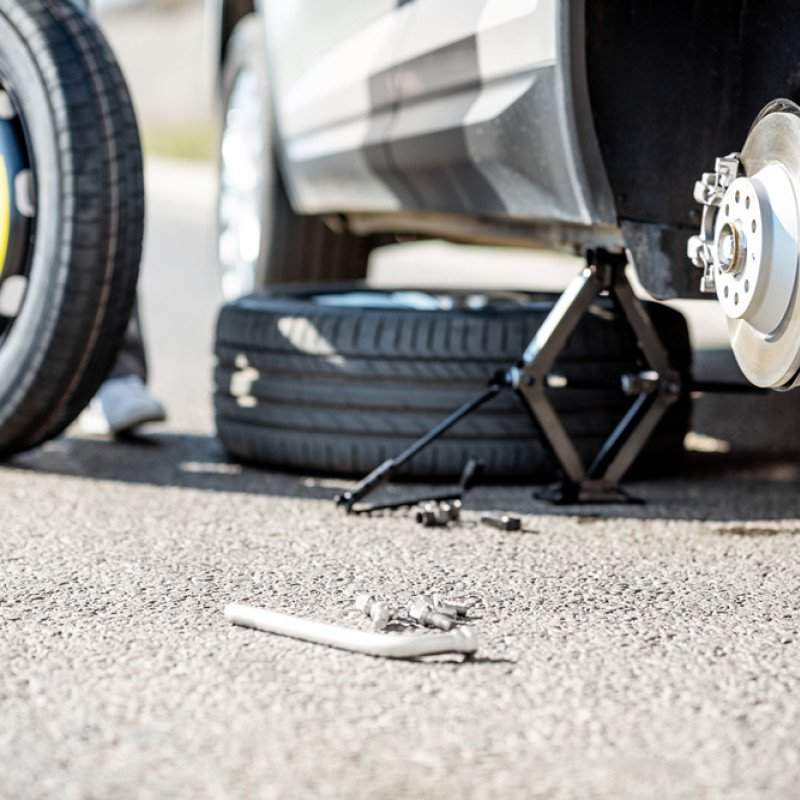
HOW TO DRIVE ON A SPARE CAR TYRE
Posted On 16 Mar 2022
At one point or another, most drivers will experience a flat tyre and will have to fit a spare. But, what is the safest way to drive on a spare tyre and are there any restrictions? When to use a...
Learn More
BEST TYRES FOR SUMMER
Posted On 16 Mar 2022
What are the best tyres for summer? What tyres should you use in spring and summer? Do you need to change from the tyres you were using in winter? How are you supposed to decide which tyres will be the...
Learn More
UK TYRES LAWS
Posted On 16 Mar 2022
To ensure you’re able to safely drive your vehicle, there are a number of UK tyre laws that must be adhered to. This includes minimum tread depth, speed rating, and load size. Below is our guide to tyre law in...
Learn More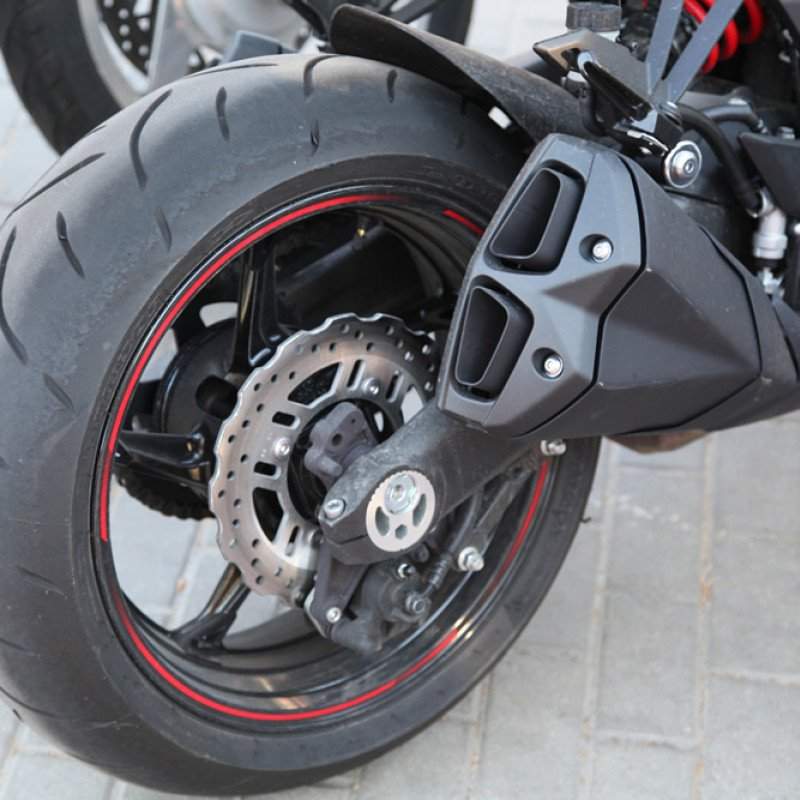
MOTORCYCLE WHEEL BALANCING
Posted On 16 Mar 2022
Unbalanced motorcycle wheels prevent your bike from performing as well as it can, which can lead to increased wear and the risk of damage or an accident. Why is motorcycle wheel balancing important? If left unchecked, unbalanced wheels can cause...
Learn More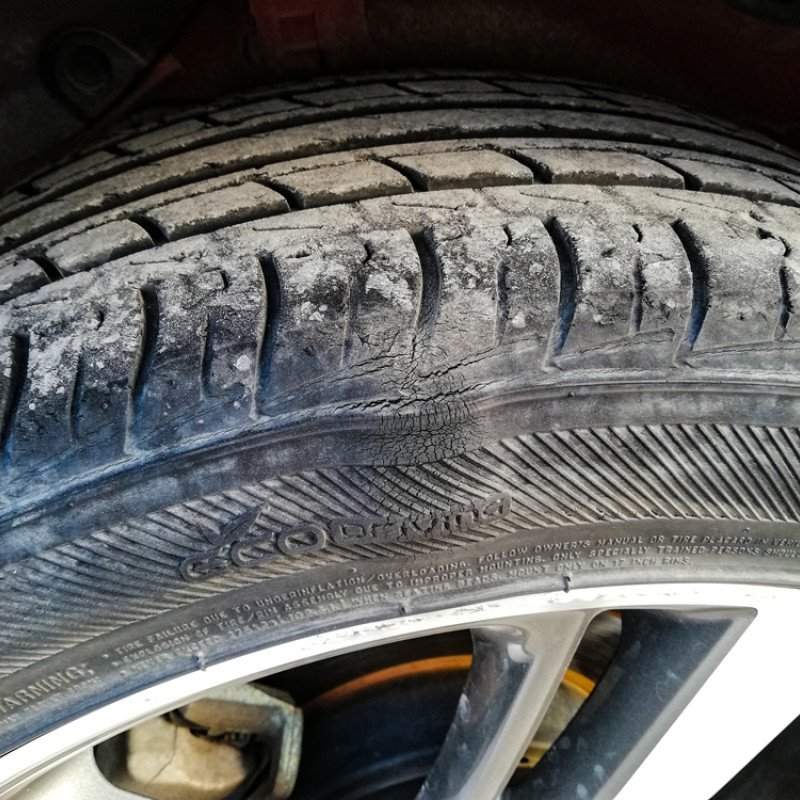
TYRE SIDEWALL DAMAGE - WHY IT’S DANGEROUS AND HOW TO DEAL WITH IT
Posted On 16 Mar 2022
With only a small amount of your tyres’ surface touching the road - known as the contact patch - it’s naturally that part of the tyre which experiences the most wear. Because of this it’s also the area most likely...
Learn More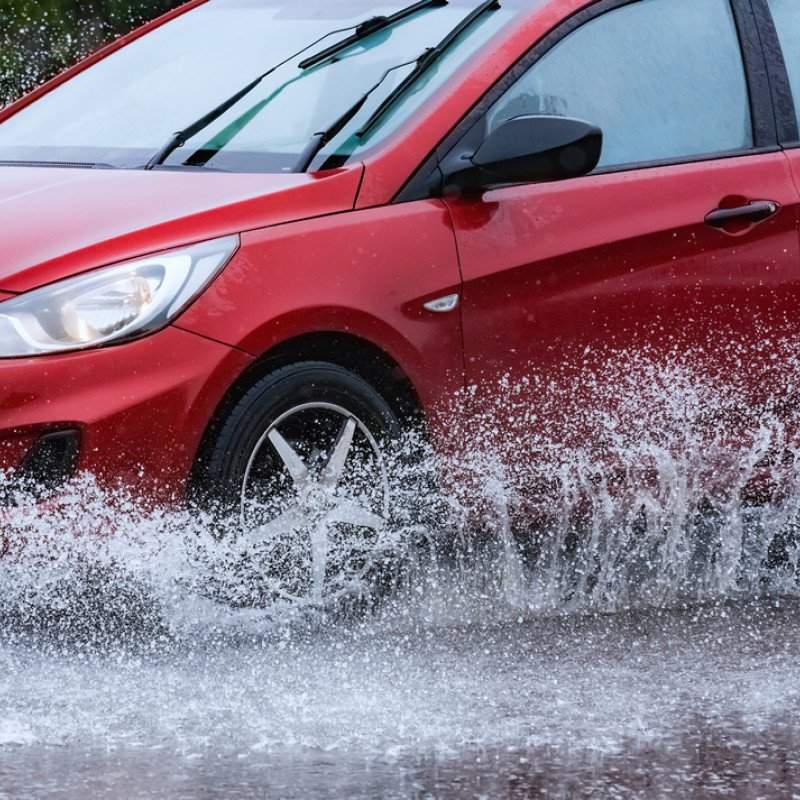
HOW TO DRIVE SAFELY IN THE RAIN
Posted On 16 Mar 2022
During periods of rain, it can take your vehicle as long as two extra seconds to brake compared to when driving in dry conditions. Rain can also cause other potential hazards such as surface water, and heavy rain can severely...
Learn More
CAN YOU REPAIR RUN FLAT TYRES?
Posted On 16 Mar 2022
Due to the way they’re constructed, run flat tyres can’t be repaired. Initially, you may consider that a huge disadvantage, but they have huge advantages over traditional tyres, so check out the below and weigh up the positives and negatives....
Learn More
 Find a Centre